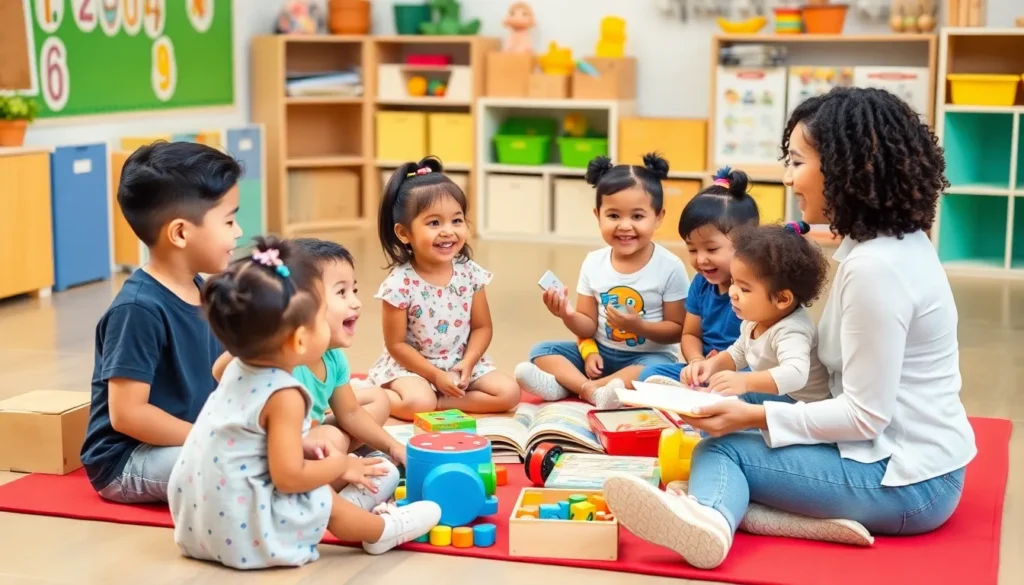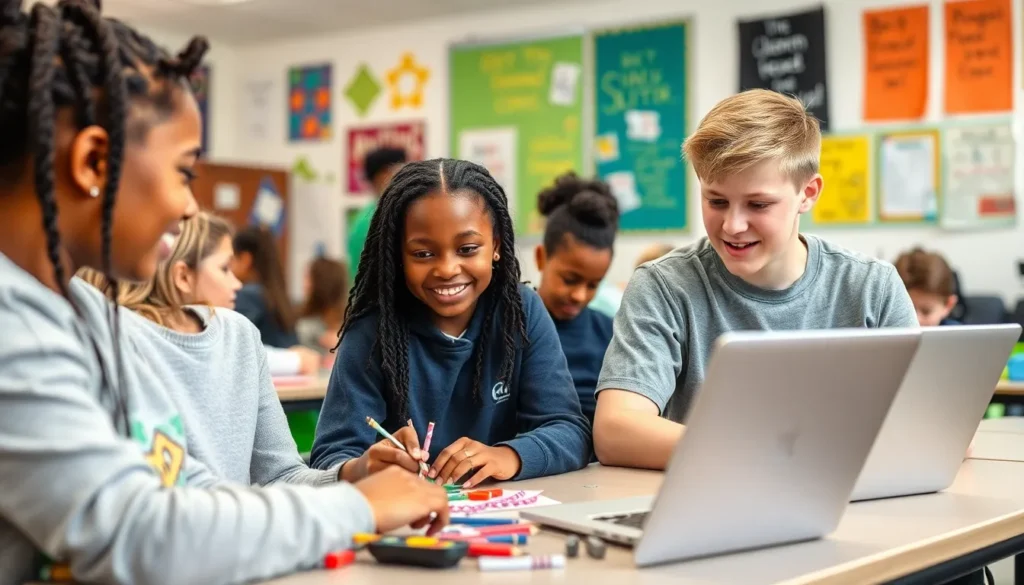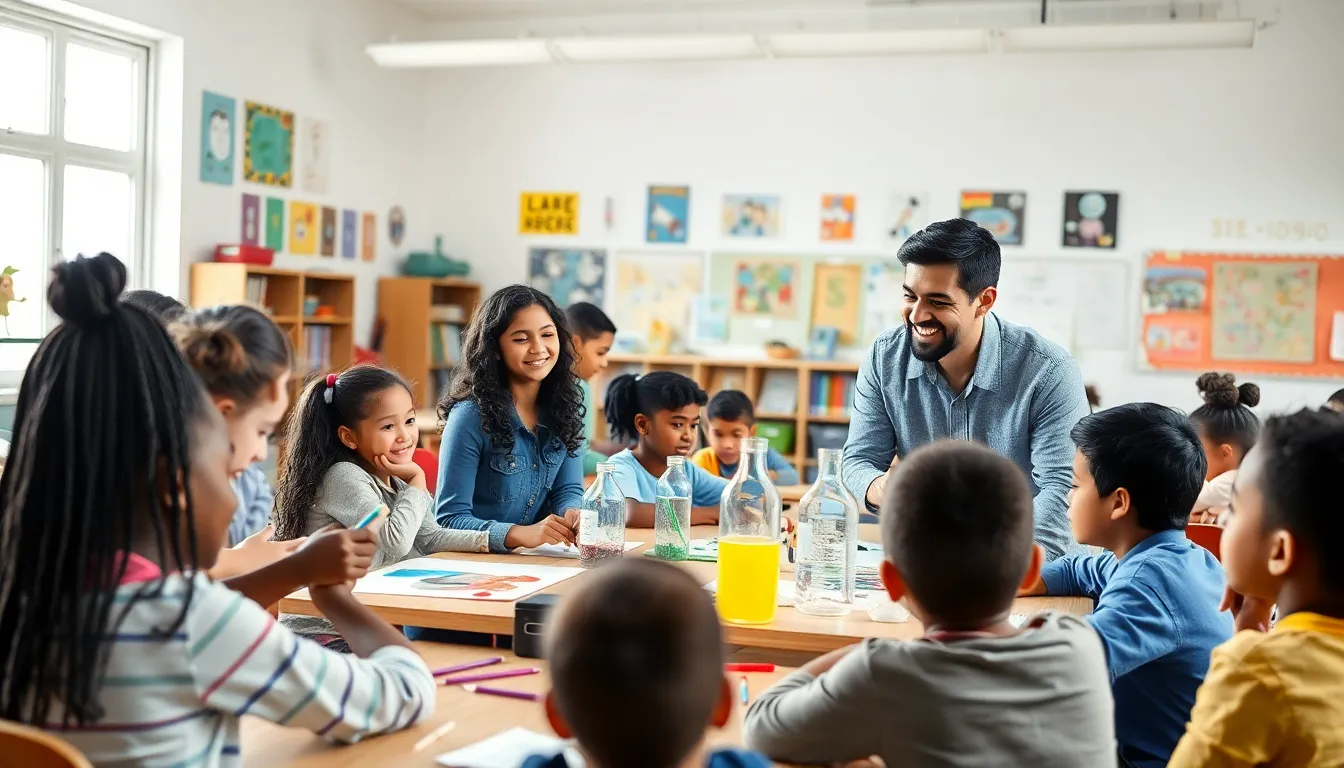
When traditional schools feel more like a scene from a sitcom gone wrong, alternative schools swoop in like superheroes in capes. These unique educational settings offer a refreshing twist on learning, catering to students who might not thrive in the conventional classroom environment. Whether it’s through innovative teaching methods or personalized curriculums, alternative schools redefine what education can look like.
Understanding Alternative Schools
Alternative schools serve as a solution for students needing different approaches to learning. These institutions prioritize innovative teaching and individualized learning experiences.
What is an Alternative School?
An alternative school serves students who struggle in conventional settings. These institutions provide personalized curriculums designed to meet unique learning needs. They often emphasize non-traditional methods, focusing on practical skills and emotional development. A clear mission exists to foster a supportive environment for at-risk youth and learners with special requirements. Alternative schools aim to create an engaging educational experience that traditional schools may not offer. Individual growth rates can improve significantly in these tailored settings.
Types of Alternative Schools
Types of alternative schools vary widely depending on their educational philosophies. Some focus on experiential learning, emphasizing hands-on activities and real-world applications. Others specialize in small class sizes to ensure closer teacher-student interactions. Co-operative schools encourage parental involvement, fostering a community-focused approach to education. Charter schools represent another model, providing flexibility in curriculum while operating independently of district regulations. Therapeutic schools specifically address the emotional and behavioral needs of students. Each type ultimately aims to support learners in achieving academic success in a supportive environment.
Benefits of Alternative Schools
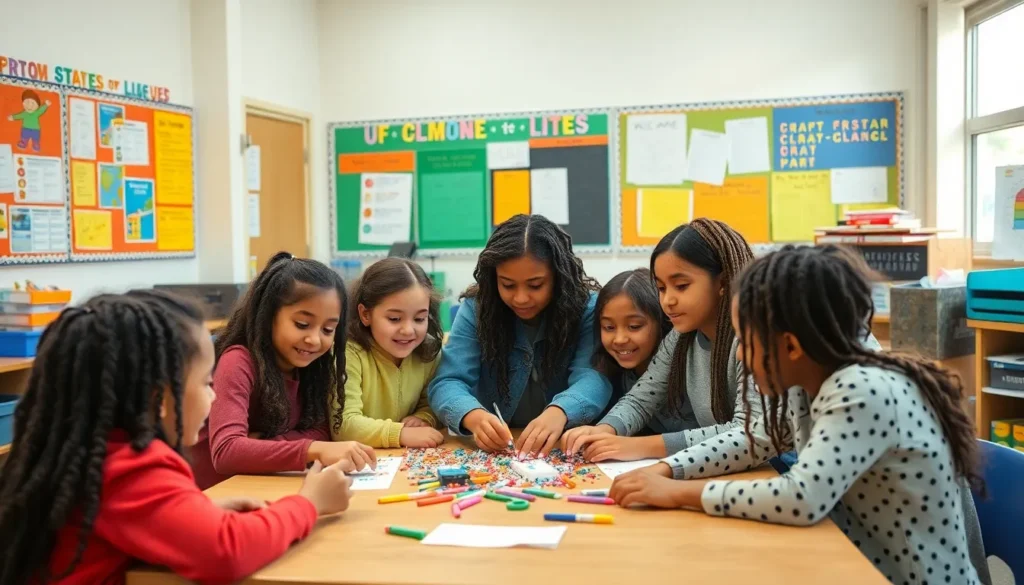
Alternative schools offer significant advantages for students. These institutions provide tailored solutions to meet diverse educational needs.
Individualized Learning Approaches
Individualized learning approaches resonate strongly in alternative schools. Educators customize curriculums to align with each student’s unique learning style and pace. This flexibility fosters deeper comprehension and engagement among learners. Moreover, instructors often employ innovative teaching techniques that encourage critical thinking and creativity. Students benefit from hands-on projects and real-world applications, helping to bridge the gap between theoretical knowledge and practical skills. In many cases, each student experiences a personalized learning journey that enhances motivation and boosts academic success.
Supportive Learning Environments
Supportive learning environments play a crucial role in alternative schools. These settings prioritize emotional well-being alongside academic achievement. Small class sizes allow for meaningful connections between educators and students, cultivating a sense of community. Teachers often develop strong relationships and provide guidance on both academic and personal challenges. Additionally, schools typically offer resources like counseling and social support, addressing the holistic needs of students. This nurturing atmosphere empowers at-risk youth and promotes resilience, encouraging students to thrive both socially and academically.
Challenges Faced by Alternative Schools
Alternative schools encounter various challenges that can impact their effectiveness and sustainability. These difficulties often arise from limited resources, public perception, and stigma.
Resources and Funding Issues
Funding poses a significant challenge for alternative schools. Many institutions rely on grants or donations, and insufficient financial support can undermine their programs. Resources often fall short of meeting the diverse needs of students, limiting access to essential materials or support services. Budget constraints may impede the ability to hire trained staff or maintain small class sizes, which are crucial for personalized learning experiences. Financial instability can restrict the implementation of innovative teaching methods that otherwise enhance educational outcomes.
Public Perception and Stigma
Public perception plays a pivotal role in the operation of alternative schools. Stigmas associated with these institutions often arise from misconceptions about their quality and effectiveness. Many individuals view alternative schools as a last resort for troubled students, rather than as viable educational options. This negative perception can hinder student enrollment and draw criticism from communities. Furthermore, overcoming stereotypes requires ongoing advocacy and visibility to demonstrate the success and positive outcomes of alternative school programs, highlighting their unique contributions to education.
Key Characteristics of Alternative Schools
Alternative schools incorporate distinctive features that differentiate them from traditional educational institutions. These characteristics support various learning needs and promote student success.
Curriculum Flexibility
Curriculum flexibility allows alternative schools to adapt educational programs to meet the diverse requirements of their students. Customized learning experiences cater to individual interests and strengths. Programs often include hands-on projects that engage students in real-world applications. Many alternative schools encourage interdisciplinary learning, integrating different subjects to create a more cohesive educational experience. This adaptability fosters a love for learning, making education feel relevant and exciting.
Student-Centered Learning Practices
Student-centered learning practices emphasize the needs and interests of each student. In these environments, educators prioritize individual learning styles, encouraging self-directed exploration and critical thinking. Smaller class sizes enable personalized attention, which fosters deeper connections between educators and students. Various assessment methods reveal learner progress, moving beyond traditional testing. Experiences such as community projects or internships further enrich student engagement. Ultimately, these methods create supportive atmospheres where students feel valued and empowered.
Alternative schools play a vital role in reshaping education for students who need a different approach. By focusing on individualized learning and practical skills, these institutions create environments where students can truly thrive. They address the unique needs of at-risk youth and those with special requirements, offering support that traditional schools may lack.
Despite facing challenges like funding and public perception, alternative schools continue to demonstrate their effectiveness. Their innovative methods and commitment to student well-being highlight their importance in the educational landscape. As awareness grows about the benefits of alternative education, these schools are likely to gain recognition as valuable options for diverse learners.