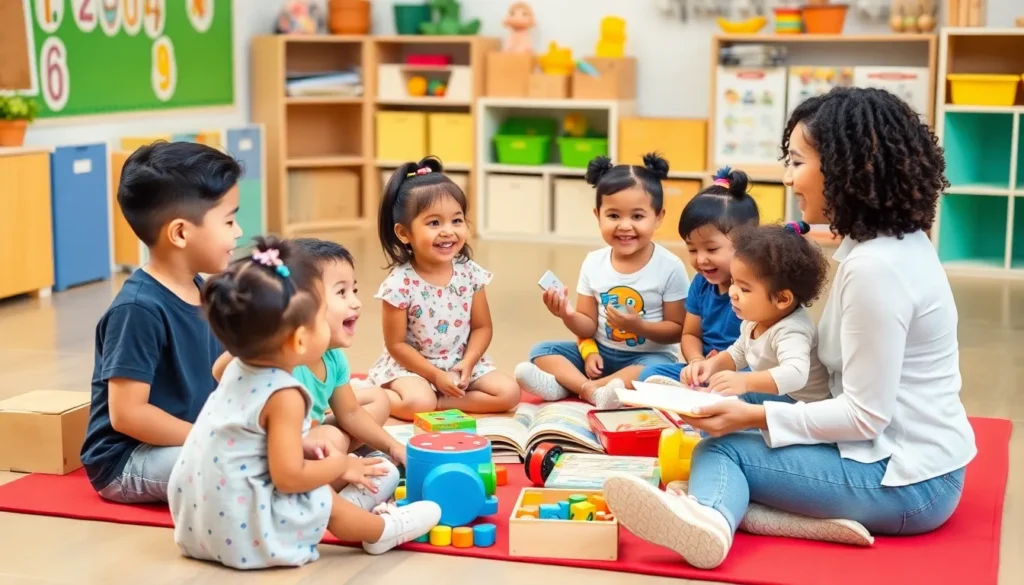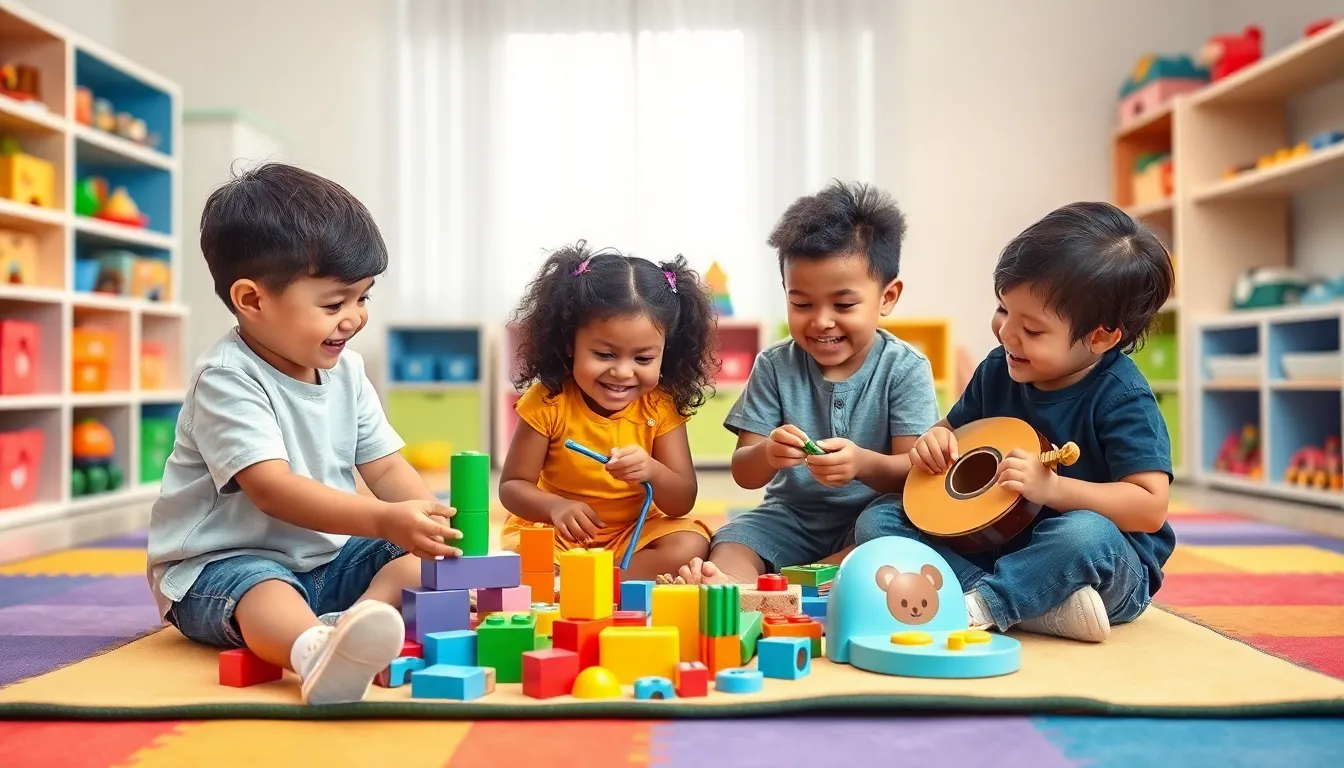
In a world where toddlers can outsmart their parents with a simple swipe on a tablet, early learning toys stand as the unsung heroes of childhood development. These magical tools don’t just keep little hands busy; they spark curiosity, boost creativity, and lay the groundwork for lifelong learning. Who knew that a colorful block could be the gateway to a future engineer or that a plush animal could inspire the next great storyteller?
What Are Early Learning Toys?
Early learning toys encompass a diverse range of educational products designed for young children. These toys support cognitive development and enhance motor skills, encouraging exploration and interaction. Examples include building blocks that stimulate creativity and puzzles that foster problem-solving abilities.
Various types of early learning toys serve different developmental purposes. Musical instruments introduce rhythm and sound recognition, while sorting games enhance logical thinking. Coloring activities promote fine motor skills and artistic expression, making them essential for growth.
The materials used in these toys also impact learning. Safe, non-toxic materials ensure that children can play without risk. Bright colors and engaging designs capture attention, maintaining children’s interest during playtime.
Benefits extend beyond immediate skills. When children engage with these toys, they learn social skills, such as sharing and cooperation. Playing in groups promotes communication and helps develop emotional intelligence.
Parents and caregivers play a critical role in choosing early learning toys. Selecting age-appropriate options ensures that toys challenge children without overwhelming them. Observing children’s interests can guide the selection process, making learning enjoyable.
Early learning toys are not simply playthings; they are tools that lay the foundation for future success. Understanding their significance can help adults make informed decisions about the types of toys that will aid a child’s development effectively.
Benefits of Early Learning Toys
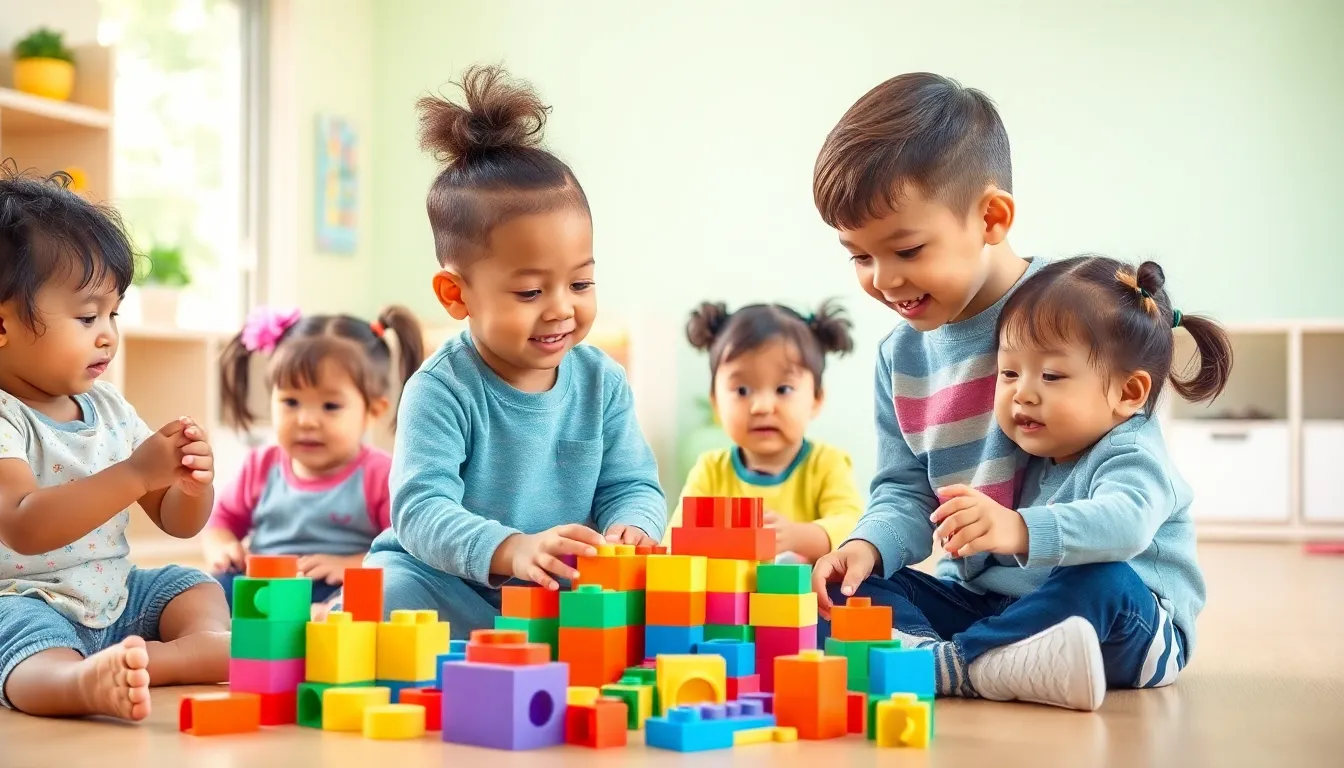
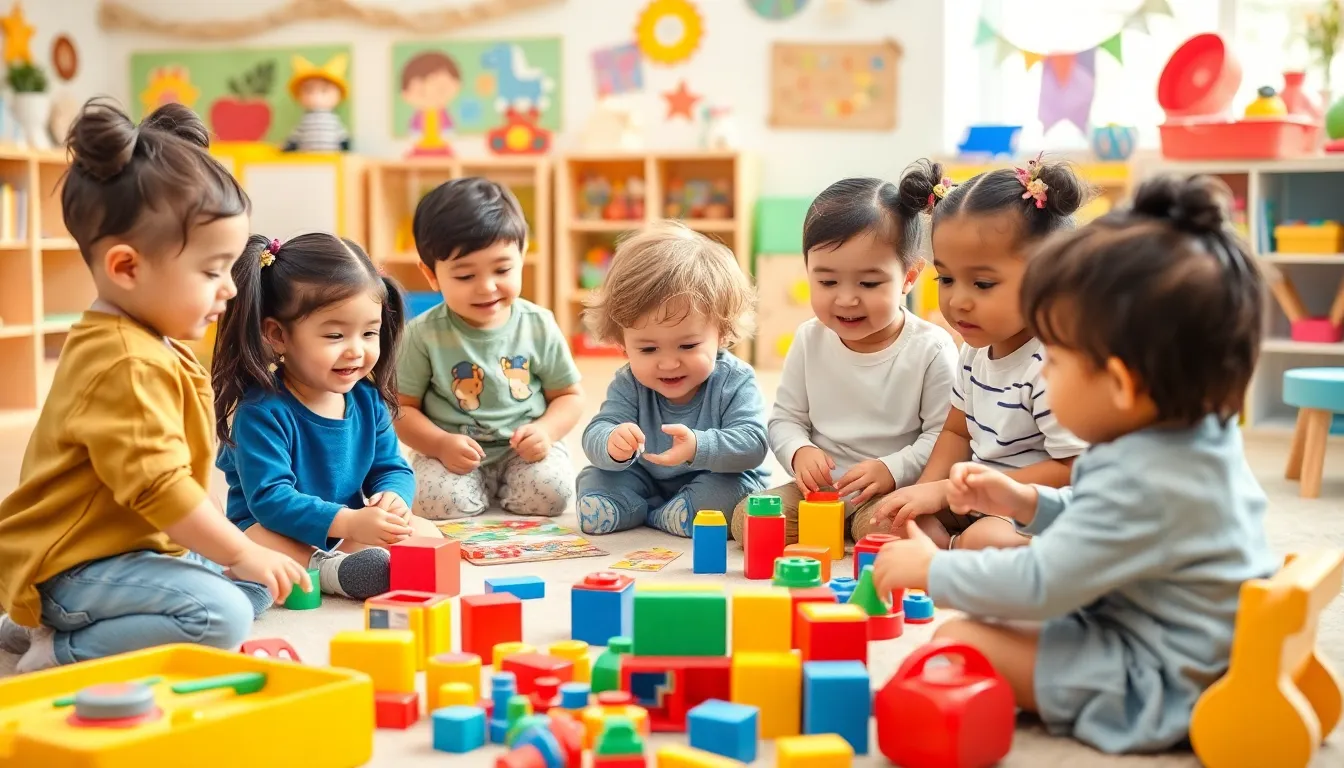
Early learning toys provide significant advantages for young children. They aid in developing essential skills that form the building blocks of future learning.
Cognitive Development
Cognitive development thrives with the right toys. Puzzles enhance problem-solving abilities by engaging logical thinking. Building blocks stimulate creativity, allowing children to explore spatial relationships. Musical instruments introduce rhythm, fostering auditory discrimination. Sorting games encourage categorization, which promotes cognitive organization. These activities encourage exploration and curiosity. By interacting with these toys, children absorb knowledge through play, reinforcing foundational skills. Enhanced cognitive development directly influences academic success, laying groundwork for lifelong learning.
Motor Skills Enhancement
Motor skills see significant improvement through early learning toys. Manipulative toys, like building sets, refine hand-eye coordination. Puzzles challenge fine motor skills, helping to develop dexterity. Toys requiring stacking and sorting encourage grasping and control, enhancing overall motor function. Engaging with these toys often leads to increased confidence in physical abilities. Child-friendly designs attract attention, prompting active participation. Active play not only boosts strength but also improves agility. Enhanced motor skills play a critical role in everyday tasks like writing and dressing, supporting independence.
Types of Early Learning Toys
Early learning toys come in various forms, each designed to engage children’s minds and foster development. These toys provide a foundation for essential skills.
Educational Games
Educational games engage children in fun, interactive ways that promote learning. They encourage critical thinking as kids follow rules and strategize. Board games and card games help in building social skills, as children learn to take turns and enjoy collaborative play. Additionally, digital educational games can reinforce skills in literacy and math through captivating graphics and sound. Overall, these games create enjoyable learning experiences.
Building Blocks
Building blocks encourage creativity and imaginative play. Children can construct various structures while developing fine motor skills. Stacking blocks enhances hand-eye coordination and spatial awareness, laying the groundwork for math concepts. Different sets, like magnetic or foam blocks, offer unique challenges that stimulate problem-solving abilities. Engaging with building blocks not only entertains but also nurtures essential cognitive growth.
Interactive Stuffed Animals
Interactive stuffed animals combine play and learning for children. These toys often respond to touch with sounds or phrases, capturing kids’ attention. Language development progresses as children converse with their plush friends. Some interactive animals can teach basic concepts like colors, numbers, and even songs. This blend of comfort and education supports emotional development while making learning enjoyable.
Choosing the Right Early Learning Toys
Selecting suitable early learning toys requires careful consideration of various factors. Toys should align with a child’s developmental stage to offer significant learning experiences.
Age Appropriateness
Age appropriateness plays a crucial role in ensuring toys meet children’s developmental needs. Toys designed for infants focus on sensory exploration, while toddlers benefit from basic problem-solving toys like shape sorters. Preschoolers require toys that encourage imaginative play, such as building sets or art supplies. Each stage demands specific features to promote growth, like safety, engagement, and challenge. Parents must evaluate toy packaging for age recommendations and opt for items that stimulate curiosity without causing frustration.
Safety Standards
Safety standards are critical when choosing early learning toys. Manufacturers must adhere to regulations set by organizations like the Consumer Product Safety Commission (CPSC) to ensure products are safe. Non-toxic materials and small parts should avoid hazards for young children. Toys must also undergo rigorous testing to confirm they meet safety criteria. Parents should verify labels and certifications, affirming that toys are safe for their child’s age group. Prioritizing safety helps create a worry-free play environment, enabling children to explore and learn confidently.